
2026-10-01 · Joe Root
Foundation Inspection: What Happens, What It Checks and When You Need One
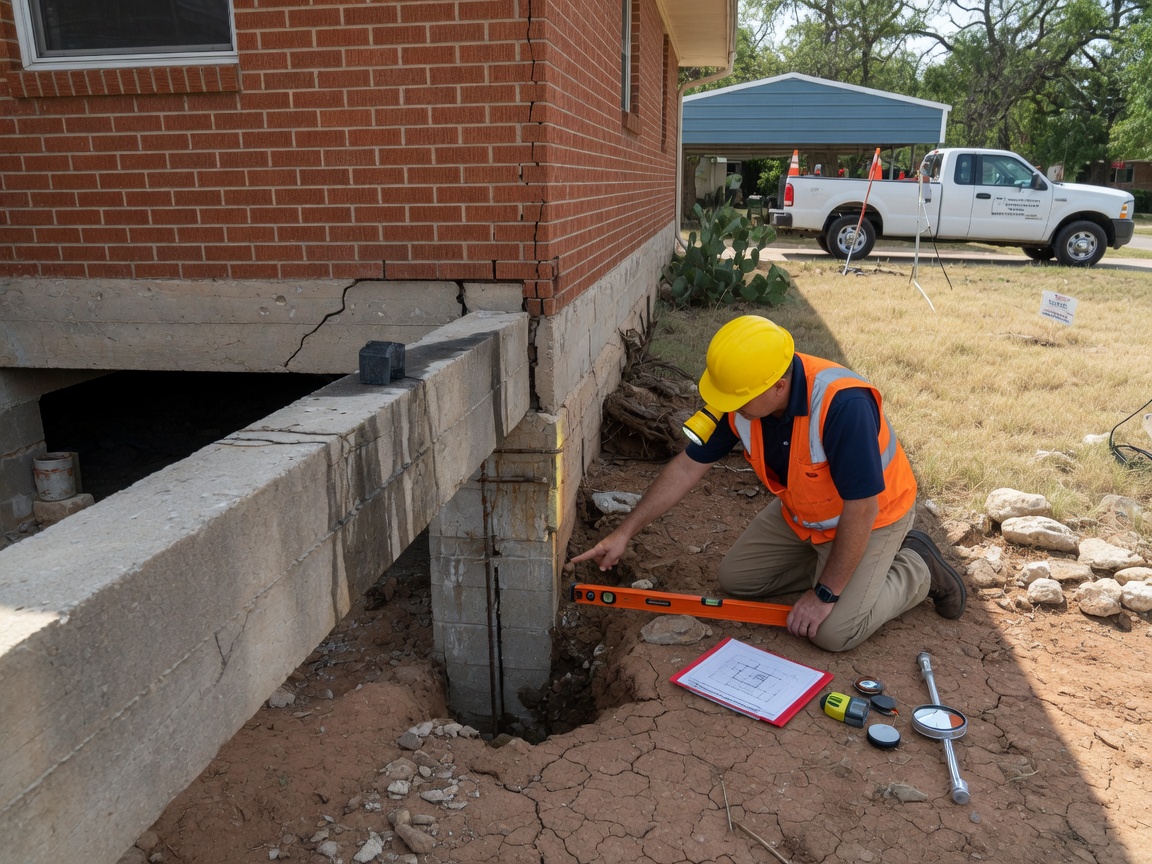
A lot of people put off getting their foundation looked at because they are not sure what it involves. Will someone crawl under the house? Will they try to sell you a huge repair? How long does it take? What do you do with the answer?
These are fair questions, so here is exactly what a foundation inspection is, what happens when we come out, and how to decide whether you need one.
What a foundation inspection is for
An inspection answers one basic question: is the movement you are seeing cosmetic, or is the foundation actually moving? A hairline crack in the drywall can be nothing. A sticking door can be a humid week. But the same signs can also be early warnings of settlement, and it is hard to tell the difference by looking alone.
The point of an inspection is to replace guessing with measurements, so you know what is going on and what, if anything, to do about it. Sometimes the answer is "you are fine, keep an eye on it." We would rather tell you that than sell you something you do not need.
What we check
Here is what usually happens when we come out to your home:
- We listen first. We ask what you have noticed, when you noticed it, and whether it seems to be changing. This helps a lot, because you know the house better than anyone.
- We look at the outside. We walk the perimeter and check the foundation, brick, and slab edge for cracks, gaps, and signs of movement. We look at the grading and how water moves around the house.
- We look at the inside. We check doors and windows, drywall cracks, gaps at trim, tile cracks, and any floors that feel off.
- We take elevation readings. This is the key step. We measure how level your floors are at different points, which shows where the house has dropped and by how much.
- We check moisture and drainage. We look at gutters, downspouts, low spots, bare soil, trees close to the house, and any signs of plumbing leaks.
- If you have a crawl space, we check the piers, beams, and the condition of the wood.
What you get at the end
After we finish looking, we explain what we found in plain language. You will know whether the movement is minor or real, what is likely causing it, and what your options are.
If repair is needed, you get a written scope and an upfront quote before any work starts, so you know exactly what is included. If it is not needed, we tell you that, and we may suggest things to watch or small fixes like drainage.
There is no pressure to decide on the spot. A good inspection should leave you feeling more informed, not more nervous.
Signs it is time for an inspection
You do not need to wait for something dramatic. Here is when we would suggest having someone look:
- Cracks in drywall, brick, or the slab that are growing or wider than about 1/4 inch
- Stair-step cracks in brick, or diagonal cracks coming off the corners of doors and windows
- Doors and windows that stick, or no longer latch the way they used to
- Gaps between the wall and the ceiling or baseboard
- Floors that slope, feel bouncy, or have cracked tile
- Water getting in through cracks or at the slab edge
- Visible changes after a long dry spell or a heavy storm
If you are not sure whether something counts, take a photo, date it, and check it again in a few weeks. Our guide on spotting foundation cracks after heavy rain walks through a simple self-check you can do first.
If you are buying or selling a home
Foundation questions come up a lot during a sale. If a general home inspector flagged cracks or uneven floors, it is reasonable to get a closer look from a foundation specialist before you commit.
A contractor's inspection is a good way to understand what is happening and what repairs might involve. If you need a formal report for a lender or a negotiation, that may require a separate structural engineer. We are happy to explain the difference when you call.
How to prepare
You do not need to do much. A few things help:
- Make sure we can get to the areas you are worried about, including the crawl space access if you have one
- Write down what you have noticed and when
- Take photos of cracks, with a coin or ruler for scale, and note the date
- Let us know about any past foundation work, plumbing leaks, or drainage problems
What happens after an inspection
There are usually three outcomes:
- Nothing needs to be done. The signs are cosmetic or seasonal, and we explain what to monitor.
- A small fix. Often this is drainage, like extending downspouts or adjusting the grade. See our foundation drainage page.
- A real repair. If the foundation has settled, the fix may involve slab foundation repair, pier and beam foundation repair, foundation pier installation or house leveling. If cracks are the main issue, see foundation crack repair.
If you want to know what influences the price of a repair, read our guide on what influences foundation repair pricing.
Where we inspect
We do foundation inspections for homeowners across Texas, including Austin, Dallas, Houston, Frisco, Richardson and San Antonio. If you are in Frisco or Richardson, you can go straight to our foundation inspection in Frisco or foundation inspection in Richardson pages. For anywhere else, see our cities we serve page, or read about our overall foundation inspection service.
The short version
An inspection measures whether your foundation is actually moving, finds out why, and gives you a clear answer and options. It should leave you better informed, whether the answer is "you are fine" or "you need a repair."
If you would like to set one up, call us Monday through Friday, 8am to 6pm. Tell us what you have noticed, and we will walk you through the next step.