
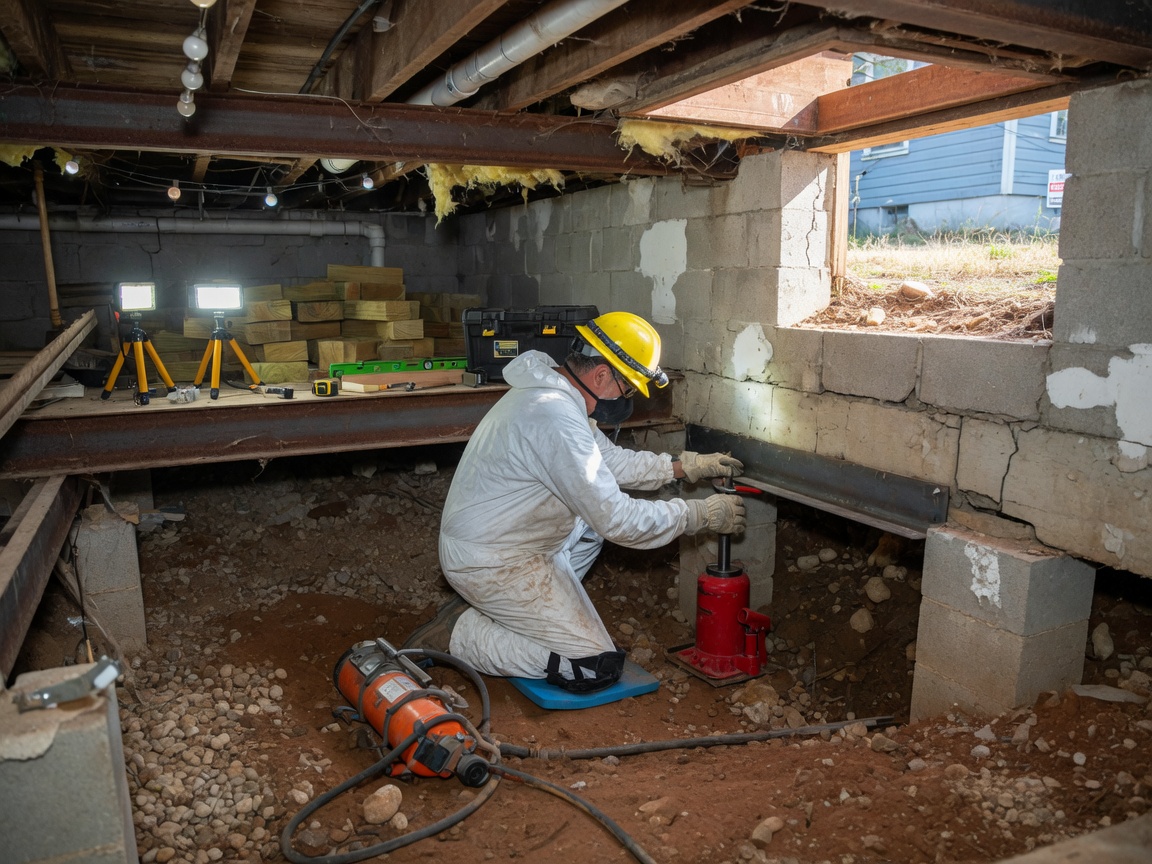
Austin's older neighborhoods like Hyde Park, Clarksville, and Travis Heights contain many pier-and-beam homes built before widespread slab construction. These structures sit above expansive clay soils common throughout Travis County that swell during spring rains and shrink in hot summers, creating differential movement that twists beams and drops floors. High humidity from nearby Lady Bird Lake and Barton Creek often leads to wood rot and mold under the home, especially when vents are undersized or blocked.
Repair work here typically starts with a full crawl space assessment that checks beam integrity, pier settling, and moisture levels before any shimming or replacement begins. Technicians often add vapor barriers and improve ventilation to counter the region's humid summers, which can otherwise undo leveling work within a single season. Homes near the University of Texas or in Zilker face added challenges from mature tree roots pulling moisture unevenly from the soil.
In neighborhoods like Mueller or Barton Hills, newer infill construction sometimes connects to older crawl spaces, requiring careful load calculations to avoid stressing original piers. Round Rock and Pflugerville homes on the northern edge of the county see similar clay issues but with slightly different drainage patterns due to the terrain. Proper access and temporary support placement matter most when working under low-clearance spaces common in East Austin stock.
Technician insight
In Austin the thing that catches most people out with crawl space foundation repair is how quickly summer humidity reintroduces moisture once a vapor barrier is skipped. Homes in Clarksville and Travis Heights sit on the same clay that moves every spring, so leveling without addressing drainage usually fails within two seasons.
Hyde Park Beam Settlement
A 1940s pier-and-beam home near the University of Texas Tower showed sloping floors after heavy spring rains. Inspection found two rotted beams and three settled piers from clay expansion. New treated beams and additional concrete piers were installed along with a vapor barrier. Floors returned to level and moisture readings stayed low through the following summer.
Crawl Space Foundation Repair Services We Offer
✓Pier and Beam Leveling
Adjusts settled piers and shims beams to restore floor level in older Austin crawl spaces affected by clay soil expansion.
✓Beam and Joist Replacement
Removes rotted or damaged wood members caused by prolonged moisture exposure common under homes near Lady Bird Lake.
✓Crawl Space Encapsulation
Installs sealed vapor barriers and dehumidification to protect against Austin's high summer humidity and prevent future wood decay.
✓Sagging Floor Repair
Addresses floor dips in Hyde Park and Clarksville homes by adding supplemental piers or reinforcing existing beam structure.
✓Moisture Control and Ventilation Upgrade
Improves airflow and drainage around foundations in Travis Heights and Zilker to reduce standing water after spring rains.
Crawl Space Foundation Repair Cost in TX
| Service | Typical Range | What Affects It |
|---|---|---|
| Single Beam Shim And Level | $800–$1,800 | Varies with access difficulty in older Hyde Park homes |
| Supplemental Pier Installation | $1,200–$2,500 | Per pier; increases in low-clearance East Austin crawl spaces |
| Full Beam Replacement | $3,500–$7,000 | Depends on length and rot extent from moisture |
| Crawl Space Encapsulation | $2,800–$5,500 | Covers barrier, sealing, and basic ventilation upgrade |
Ranges are typical for TX and confirmed with an exact written quote before any work starts.
How it works
- 1
Initial Crawl Space Inspection
Technician enters the space to measure beam deflection, check pier condition, and note moisture readings specific to the home's location in Travis County.
- 2
Soil And Drainage Assessment
Evaluates grade around the foundation and proximity to local water features like Barton Springs to identify movement drivers.
- 3
Support Installation And Leveling
Places temporary jacks, installs new piers where needed, and brings floors back to level using methods suited to Austin clay.
- 4
Moisture Barrier And Finish Work
Applies encapsulation or ventilation upgrades, removes debris, and confirms stable readings before closing access.
Pricing
Upfront quotes after on-site inspection; final cost depends on access, beam damage extent, and number of piers required.